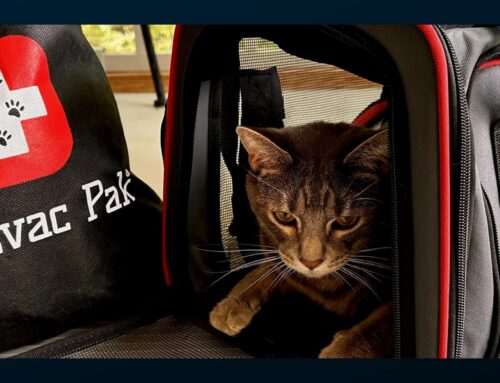
This year, we have experienced some heavy winter storms that have brought ice, rain, and snow, resulting in power outages and leaving many people in the cold and dark.
 Now, let’s talk about our pets. Many states are changing laws to regard pets as family members rather than property. While most of us already recognize this sentiment, some still view their pets as possessions.
As a general rule, if it’s too cold for you to be outside, it’s also too cold for your pets. Please ensure they have adequate shelter to protect them from the elements, or, ideally, bring them indoors. Additionally, make sure they have enough food and water, as outdoor water sources can freeze, leading to dehydration.
Here are a few things to help you prepare your pets for these bitter temps.
Indoor Pets
- Shop early when you know these storms are coming because shelves become empty quickly.
- Ensure you have at least five to seven days’ worth of food, water, and your pet’s medications.
- How much water will my pet need? A healthy pet will usually require 1/2 to 1 ounce of water per pound of body weight per day. For example, a 20-pound dog or cat would need 10 to 20 ounces of water per day.
- Ensure that your dog has a designated potty area. You can create this space in your garage using pee pads, or you can lay down a tarp on your patio or yard that can be easily removed when it’s time for your dog to go outside. Additionally, keep a shovel nearby to clear away snow if it becomes too deep for your dog to relieve themselves.
- All pet owners should always have some basic first aid supplies for their pets in case they can’t get to a veterinarian. Make sure they are labelled safe for pets.
- Protect their paws if they go outside, watch for ice melt or salt on the walkways and dry their bellies and paws when they come back in.
Outdoor Pets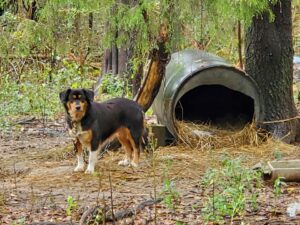
- Ensure that animals have sufficient shelter to stay warm and dry. If they have a doghouse, you can add a heat lamp or use straw as bedding to keep them warm.
- Make sure you have stocked up on their food and medications.
- Ensure that your pets have access to fresh water outside, as it can freeze quickly in cold weather. You may need to replace their water every couple of hours. Pets can survive only about 72 hours without water, and they can start to suffer even sooner when the temperatures drop.
- Keep a flashlight handy so you can check on your pets at night.
Pet Evac Pak is here to assist you with your pet’s emergency planning. Visit our website for more tips and tricks, and sign up for our monthly newsletter on the homepage for the latest information.