

Before we dive into National Pet Preparedness Month and the essential steps to take before an emergency, we want to share the story behind why we started Pet Evac Pak.
Our journey began in 2017 after I took a trip to Houston in the aftermath of Hurricane Harvey. Returning home, I was struck by the heartbreaking sight of pets that had been left behind. It prompted an “aha moment”: why not have an emergency kit for pets, just as we do for ourselves?
After extensive research and conversations with first responders, evacuees, veterinarians, and rescue organizations, the Pet Evac Pak was born. I launched it in 2018 and haven’t looked back since.
Our Mission:
Pet Evac Pak’s mission is to help you prepare for emergencies and evacuations to ensure the safety of your pets. Our pets are part of our families, and it’s our responsibility to keep them safe. Whether you choose to purchase a pack from us or build one on your own, being prepared is essential.
We encourage you to do your own research. Look at the items included in other pet emergency kits. While they may be cheaper, do they contain pet-safe products or items specifically designed for pets? Every Pet Evac Pak includes high-quality essentials such as PetFlex vet tape, PetVet antibacterial wound and burn gel, and a Leather Brothers 5/16” x 4’ slip lead to help you evacuate quickly, among other carefully selected items.
June is National Pet Preparedness Month. Please remember to create a plan for your pet. Here are the tips to help you get started.

BEFORE DISASTER STRIKES:
Crate Train Your Pet:
Crate training can take weeks or even months, especially if your pet is not accustomed to being in a crate. In case of an evacuation, you may need to use a crate for your pet, and it’s not the ideal time to start training them. It can be overwhelming and stressful for your pet. If they are crate trained beforehand, it can become their “home away from home.”
Microchip Your Pet:
Having your pet microchipped and ensuring your phone number is up-to-date with the chip company could be crucial for reuniting with your pet if you get separated.
Car Rides:
Many pets associate car rides with trips to the vet, which can make them anxious about travelling. To change this perception, start by simply loading them into the car and giving them one of their favorite treats. After a few minutes, take them back inside the house. Repeat this for a week or two, and then begin taking them for short trips around the block or to enjoyable places, such as the park for a walk or a café for a “puppuccino.” With patience and consistency, your pet will learn to love car rides with you.
Create a Buddy System:
Establish a reliable friend or neighbour who can get your pets out if there’s an emergency and you’re not home. They should also know where to find your pet’s emergency supplies.
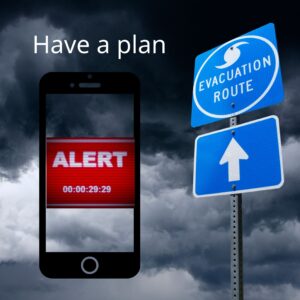 Have an Emergency Go-Bag Ready:
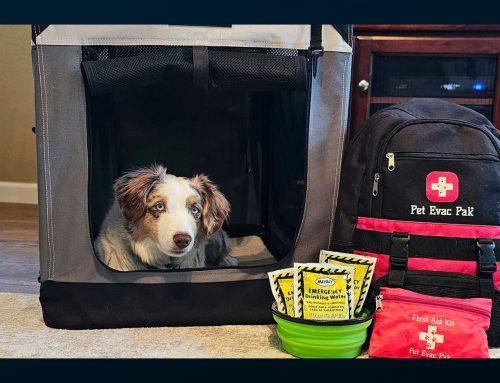
Prepare a go-bag that includes at least a 72-hour supply of food and water, bowls, a slip lead or collar and leash, ID tags, basic pet-friendly first aid supplies, an LED night light, a warming blanket, waste disposal bags, and a litter box with litter and scoop for cats. Don’t forget to include your pet’s documentation and medications in a waterproof pouch to keep them dry. Optional items could include toys and treats.
Make this a fun family project. By including the kids, this teaches them exactly what supplies are needed and where they are stored in case of an emergency. Give everyone a task, then practice together.
Know your evacuation route!
For a printable copy, click this link

Interesting to see pet preparedness highlighted. Do you think venues are starting to accommodate pets more during weddings?
I don’t know about venues but there are more Hotels accepting pets now.
This is great information! I need to update my PetEvacPak since my vet retired and I also need to revisit my escape route. Thanks for the reminder to plan ahead; being prepared really helps ease anxiety! 🐾
Remember always be prepared it’s up to you to keep your family and pets safe.
Thank you Keith for the excellent reminder